Japan continues to stir troubles in East China Sea


This photo taken on 定海工商联新闻网Feb 21, 2024 shows the Kinmen bridge and a view of Xiamen in the distance seen from an estuary in Kinmen. [Photo/Xinhua]
Japan is hyping up and contesting China's legitimate oil and gas development activities within its own jurisdictional waters in the East China Sea. Clinging to unilateral maritime claims, Japan has disregarded the fundamental principles of international law and interfered with China's exercise of its maritime rights.
China's development of natural gas fields and the construction of facilities are entirely legitimate activities within its jurisdictional waters.
They align with the United Nations Convention on the Law of the Sea and international practice, and no country has the right to interfere in the matter or criticize these moves.
The core of the East China Sea issue is the longstanding differences between China and Japan regarding the delimitation of the Exclusive Economic Zone, the development of marine resources and maritime strategic interests.
Japan persistently disregards the geographical reality of a natural boundary of the Sino-Japanese continental shelf. Instead, it forcibly promotes a unilateral "median line" claim to impose unreasonable demands on others. This violates the spirit of international law of the sea and runs counter to the fundamental interests of the healthy development of China-Japan bilateral relations.
Tokyo is now trying to escalate the issue through exaggeration and falsehoods aimed at attracting international attention. By claiming that the newly built facilities amount to "unilaterally changing the status quo" it wants to incite hardline domestic sentiment and court external forces to intervene.
This is a brazen effort to squeeze China's maritime rights, seize control over East China Sea resources and undermine regional peace and stability.
Japan's attempts to stir up tensions in the East China Sea have deeper political motives. It wants to divert the attention of the international community from its dangerous tilt toward militarization and the removal of constraints on arms sales.
China's activities in the East China Sea have consistently adhered to legal principles and international law.
The geomorphological and geological features indicate that the continental shelf of the East China Sea is the natural extension of China's landmass, and there is an important geographical unit with distinct characteristics that mark the end of China's continental shelf in the East China Sea.
China's exploration and development of resources within its jurisdictional waters constitute a legitimate exercise of sovereign rights. These activities follow legal procedures and are conducted in an open and transparent manner, forming a complete and standardized chain of evidence that can withstand scrutiny under international law and factual review.
It is a common practice for coastal states to develop natural resources within their jurisdictional waters. Japan's baseless interference and obstruction of these activities reflect a double standard and blatantly unreasonable behavior.
Japan not only violates international law but also distorts facts to mislead the international community.
At the diplomatic level, such moves can have a negative impact on China-Japan relations.
At sea, increased close-range naval and aerial activities heighten the risk of miscalculations and conflict, thereby undermining peace and stability in the East China Sea. At the international level, Japan exaggerates the so-called "China threat" and courts external forces to intervene, which impedes regional cooperation in East Asia.
China has responded to Japan's provocations resolutely, upholding its sovereignty and maritime rights without yielding an inch.
It has firmly rejected Japan's illegal claims, and continues to develop oil and gas resources in the East China Sea. At the same time, China also believes in peacefully resolving maritime disputes, keeping diplomatic communication channels open and managing differences with dialogue.
The approach is not to escalate tensions, but to defend its rights according to the law and persuade others with reason. Authoritative statements, professional analyses, and sustained global engagement are part of the efforts to clarify facts, demonstrate peaceful intentions and earn the support of the international community.
Peace and stability at sea are shared interests of all states in the region, and maritime cooperation benefits both China and Japan.
China has consistently advocated for handling maritime disputes through dialogue and negotiation on the basis of mutual respect. China is willing to engage in constructive dialogue with Japan, and promote practical cooperation in low-sensitivity areas, such as marine environmental protection, maritime search and rescue, and fishery conservation.
Peace and stability in East Asia face numerous challenges today. Maritime cooperation and development are what people desire.
China will continue to adhere to international law, safeguard its maritime rights and promote regional stability. The guiding principle is simple: China does not provoke trouble, nor does it fear it.
分享到
0个赞- 精彩渔获
-
 2024年四季度我国新房销售扭转下滑态势
 -
 陈乔恩遭整形质疑显臭脸 露背代言新年将停工
 -
 少女时代日本专辑销量破百万 收入2.5亿人民币
 -
 林俊杰98年歌唱比赛造型曝光 网友称其像小沈阳
 -
 朱百元:超越血缘的30载“祖孙情”
 -
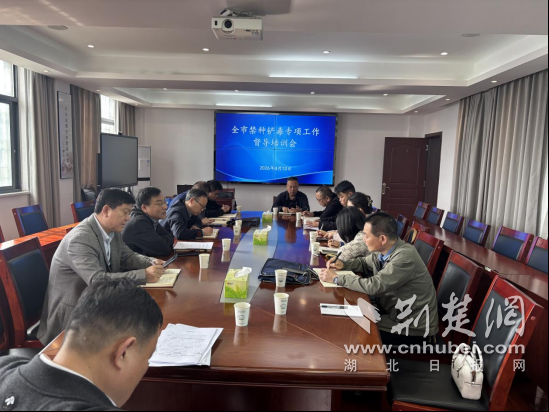 湖北钟祥:高质高效开展禁种铲毒专项督导工作
 -
 新画面曝《十三钗》被偷票房 10万元重奖举报者
 -
 纪录片导演罗莎莎:张艺谋总在诱惑我
 -
 2026巴基斯坦文化周在成都开幕
 -
 星园街道文化站举办象棋比赛
 -
 佳能:高像素相机暂时没门,索尼A9III全局快门得不偿失
 -
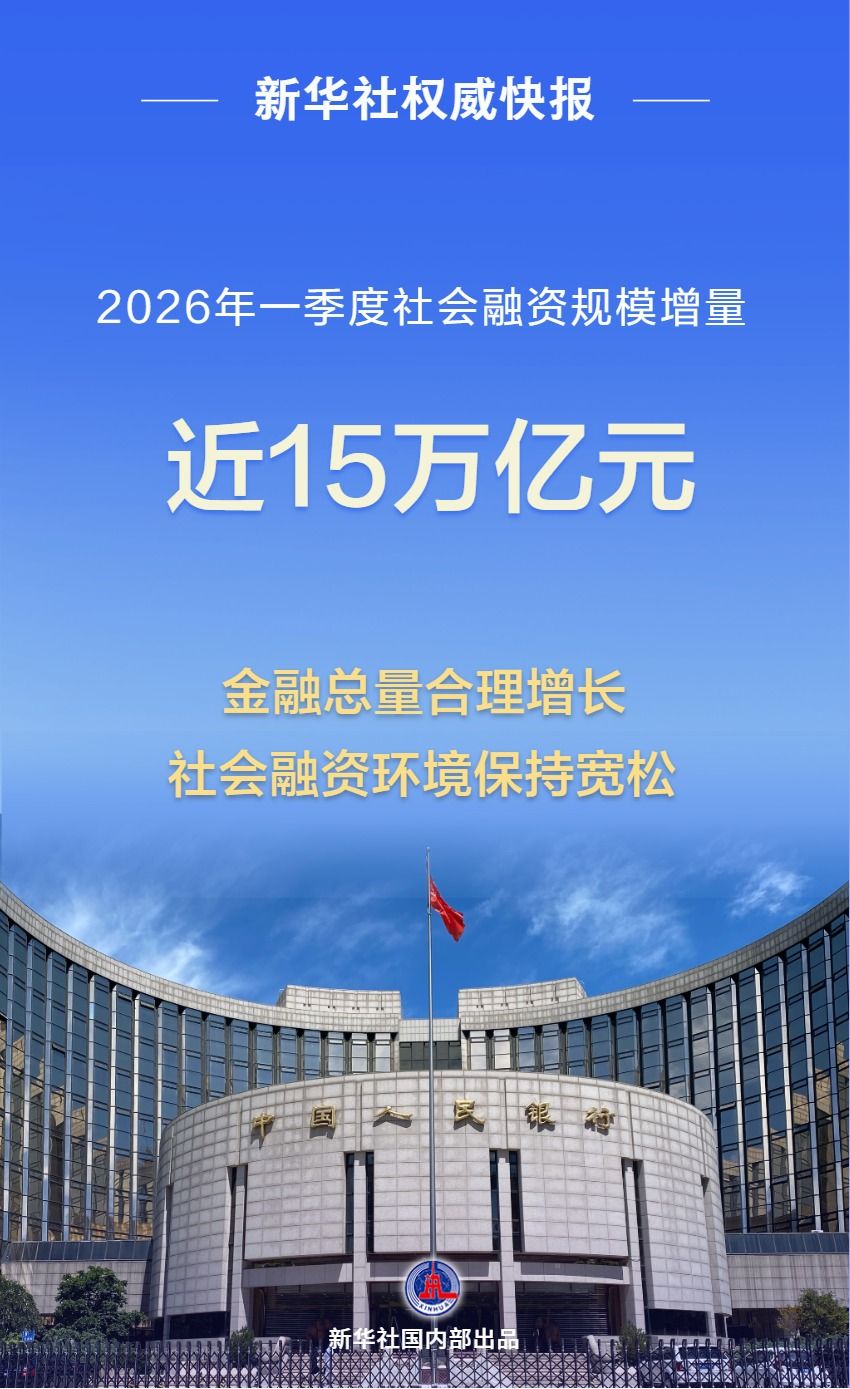 新华社权威快报|一季度我国社融规模增量近15万亿元
 -
 张毕贺的传奇故事《草根到专业音乐制作人
 -
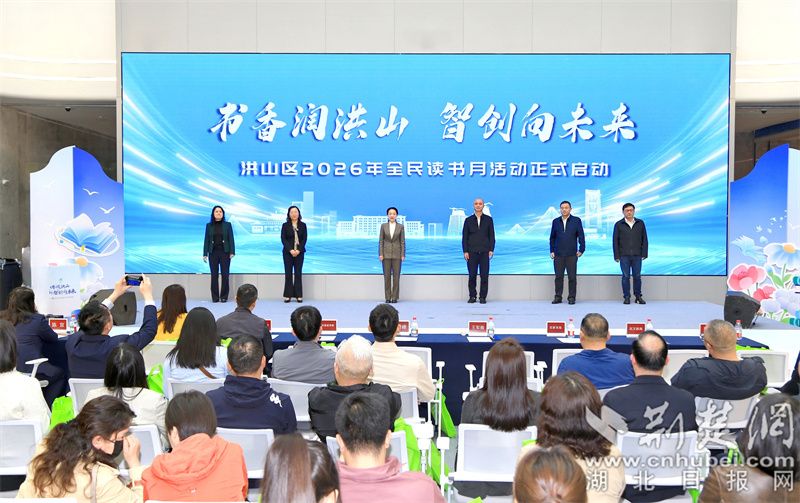 一城书香一城梦,且以科创向远方 洪山区2026年全民读书月启动
 -
 中国经济新风向观察
 -
 避雷+1 苹果将于印度富士康工厂量产AirPods耳机
 -
 徐良巡演南昌站收官!匠心镌刻顶级视听,定格万众闪耀的青春篇章
 -
 省文房四宝协会“墨麟书院”成立
 -
 张海香孝老爱亲美名传 入选第七届全国道德模范候选人
 -
 翩翩舞姿舞出百姓美好生活
 -
 11月末我国外汇储备31718亿美元
 - 一城书香一城梦,且以科创向远方 洪山区2026年全民读书月启动
-
 青少年射箭比赛周五开弓
 -
 插座直呼受不了!振华推出2800瓦台式机电源,可带4张RTX 5090显卡
 -
 房地产税收新政策实施首月新增减免税116.9亿元
 -
 用时不到一年,小米SU7实现20万辆交付
 -
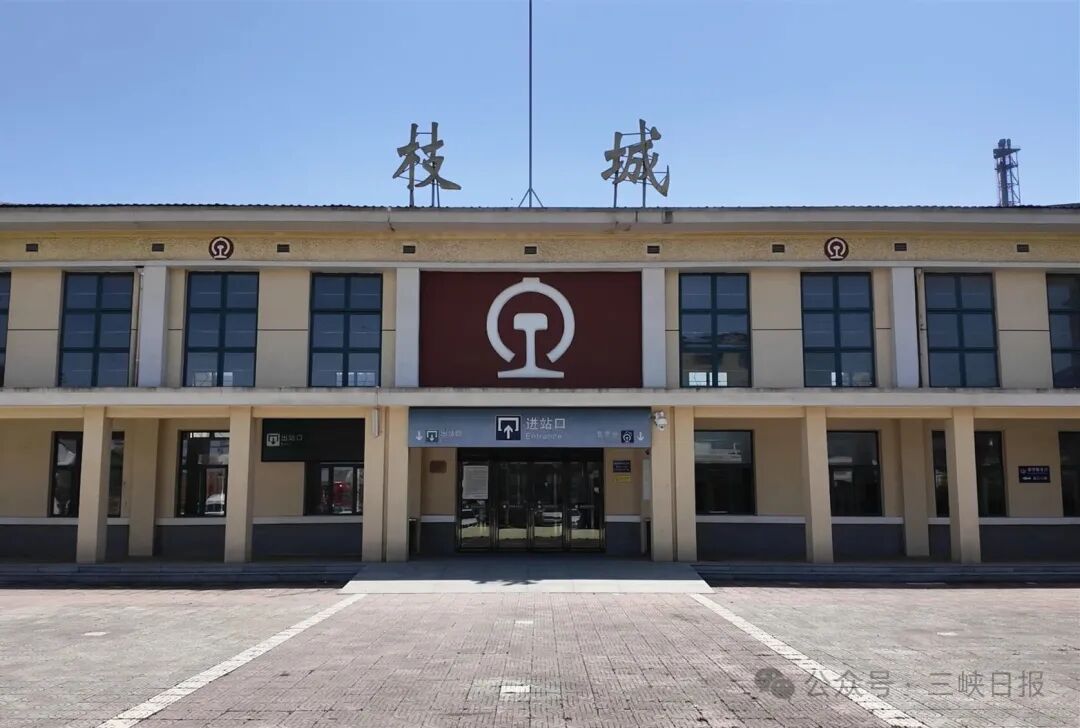 宜昌这座火车站,又迎来了“春运”!
 - 青少年射箭比赛周五开弓
-
 征地拆迁补偿分配引争议 法院对补偿金额直接认定
 - 翩翩舞姿舞出百姓美好生活


暌违三年,热爱回归!|2026余景天「Echo Pulse 脉浪回响」巡回演唱会首站上海站正式官宣!
庆六一少儿文艺演出 23个节目童心闪耀
东至县至德小学举办 “小记者主持及采风”培训活动
10 measures aim to advance cross
王得立:这个书记真“得力”
“泌尿医师万里行”大型公益活动走进黄冈